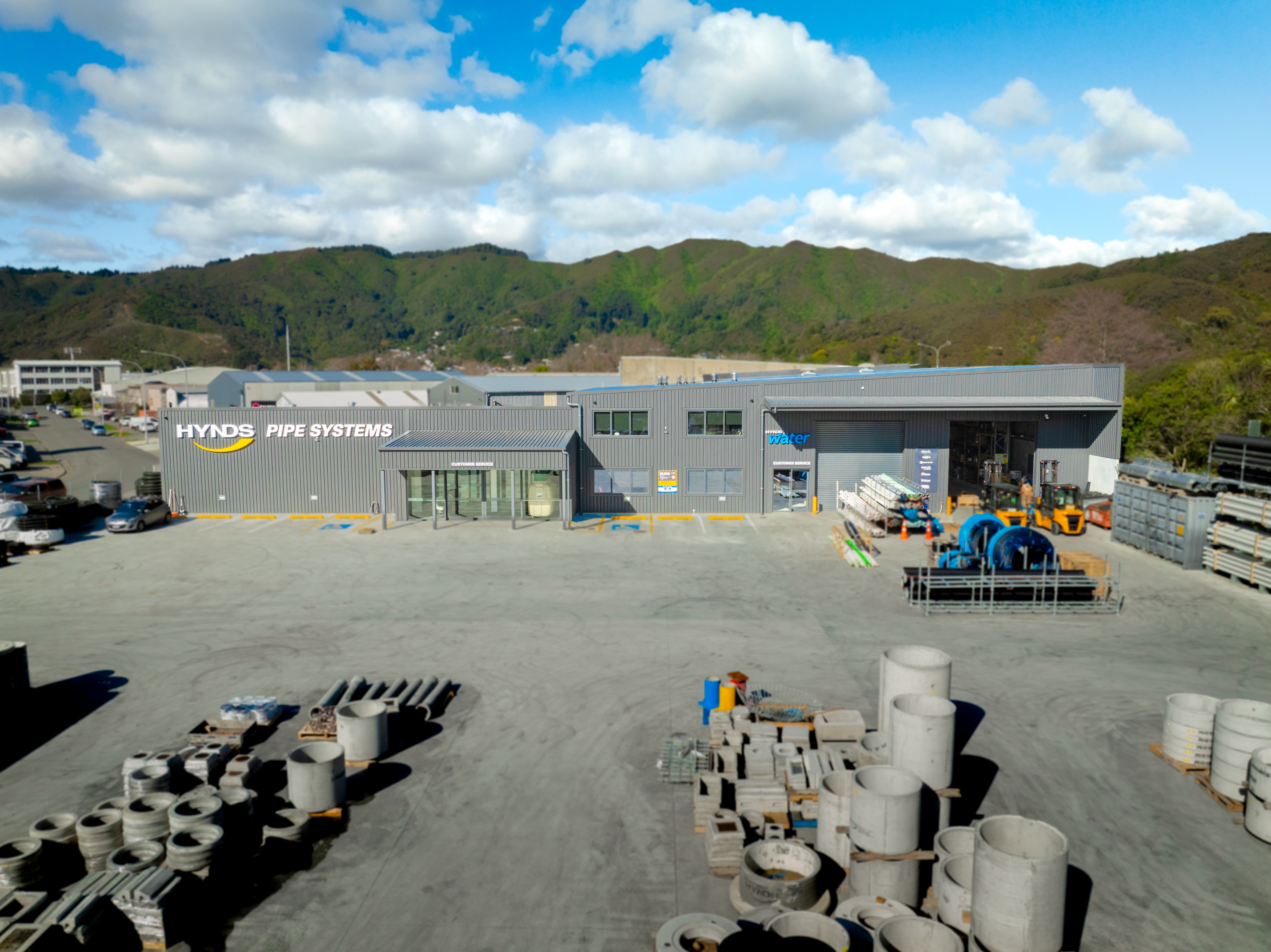
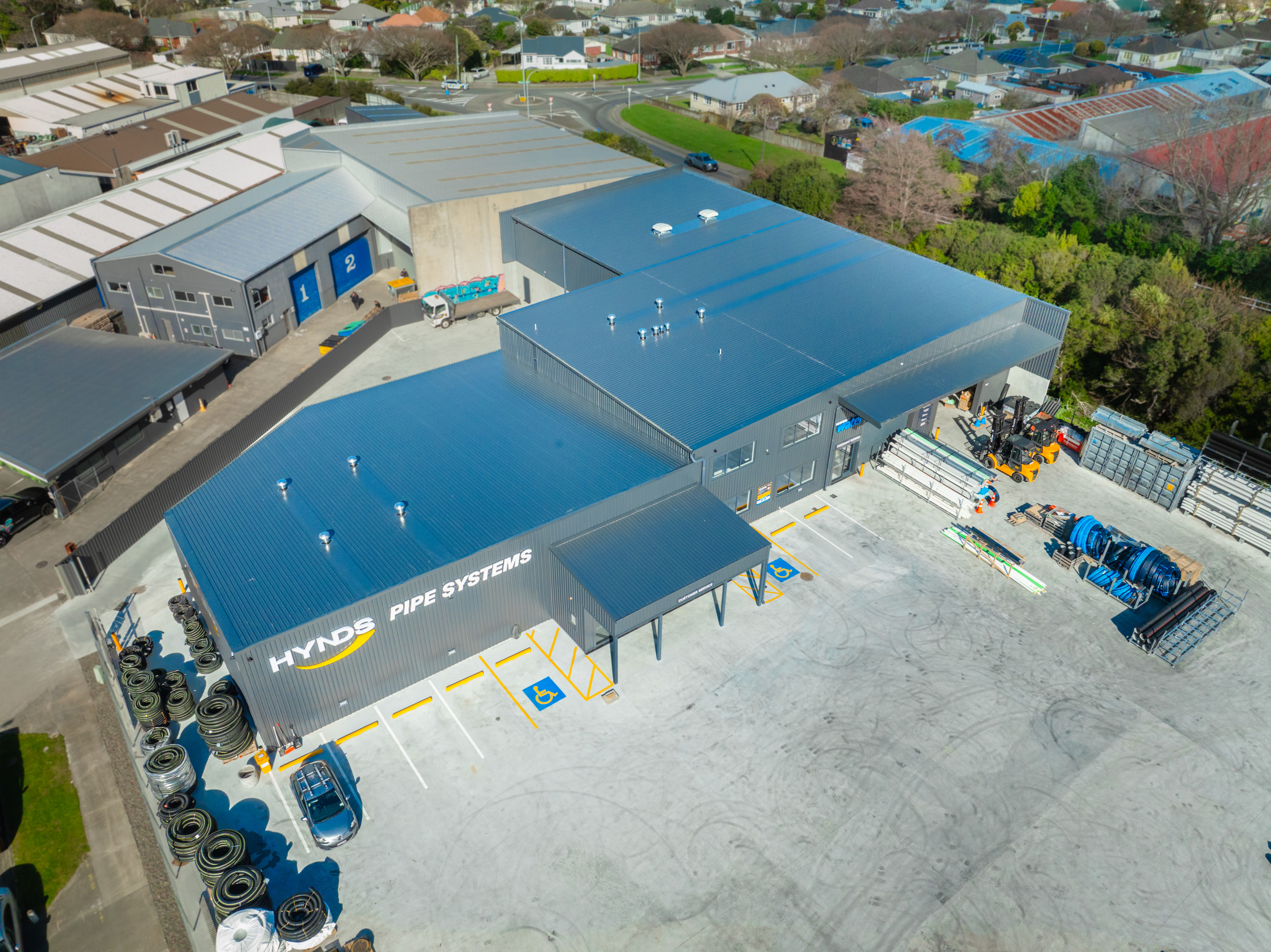
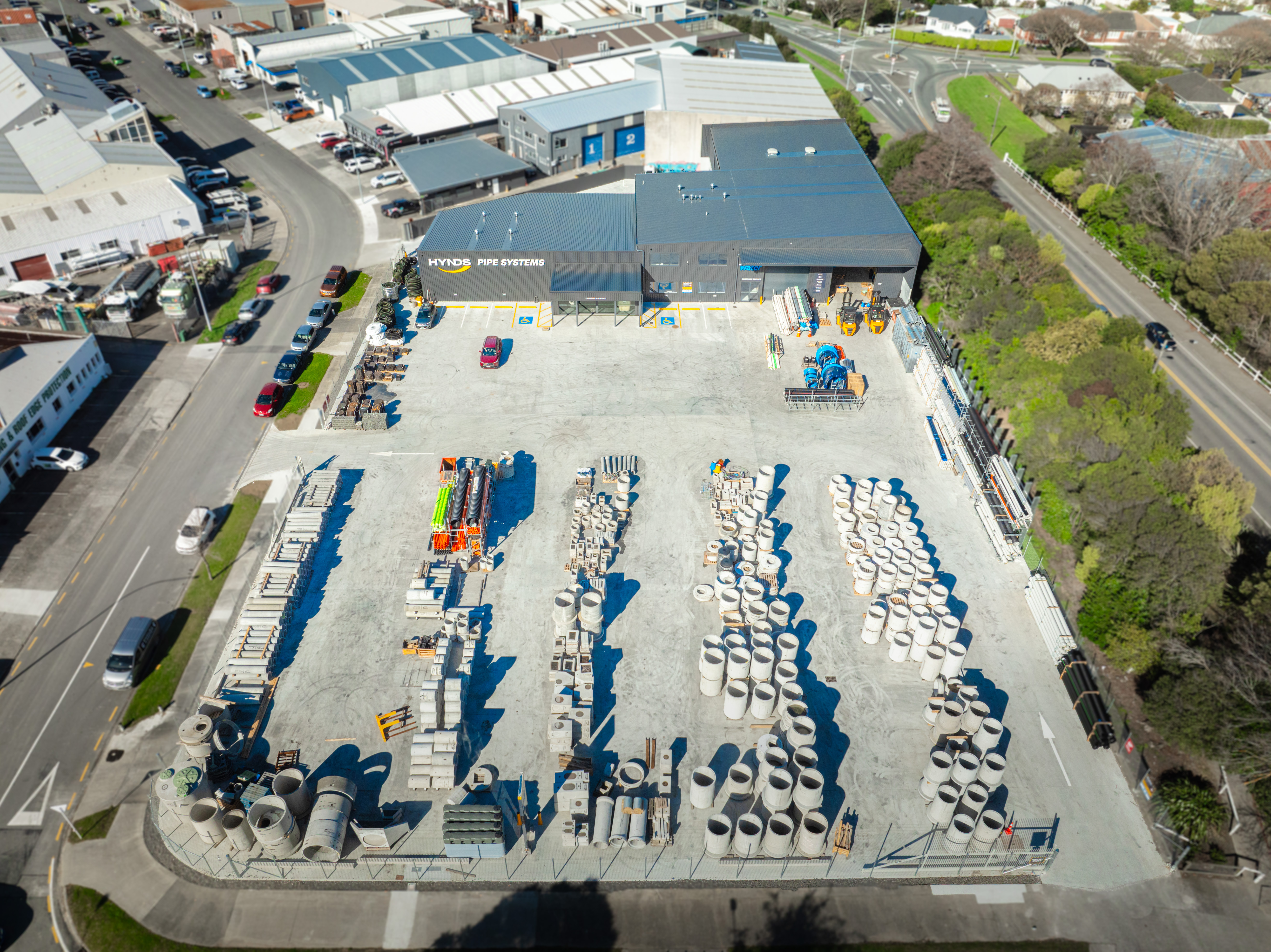
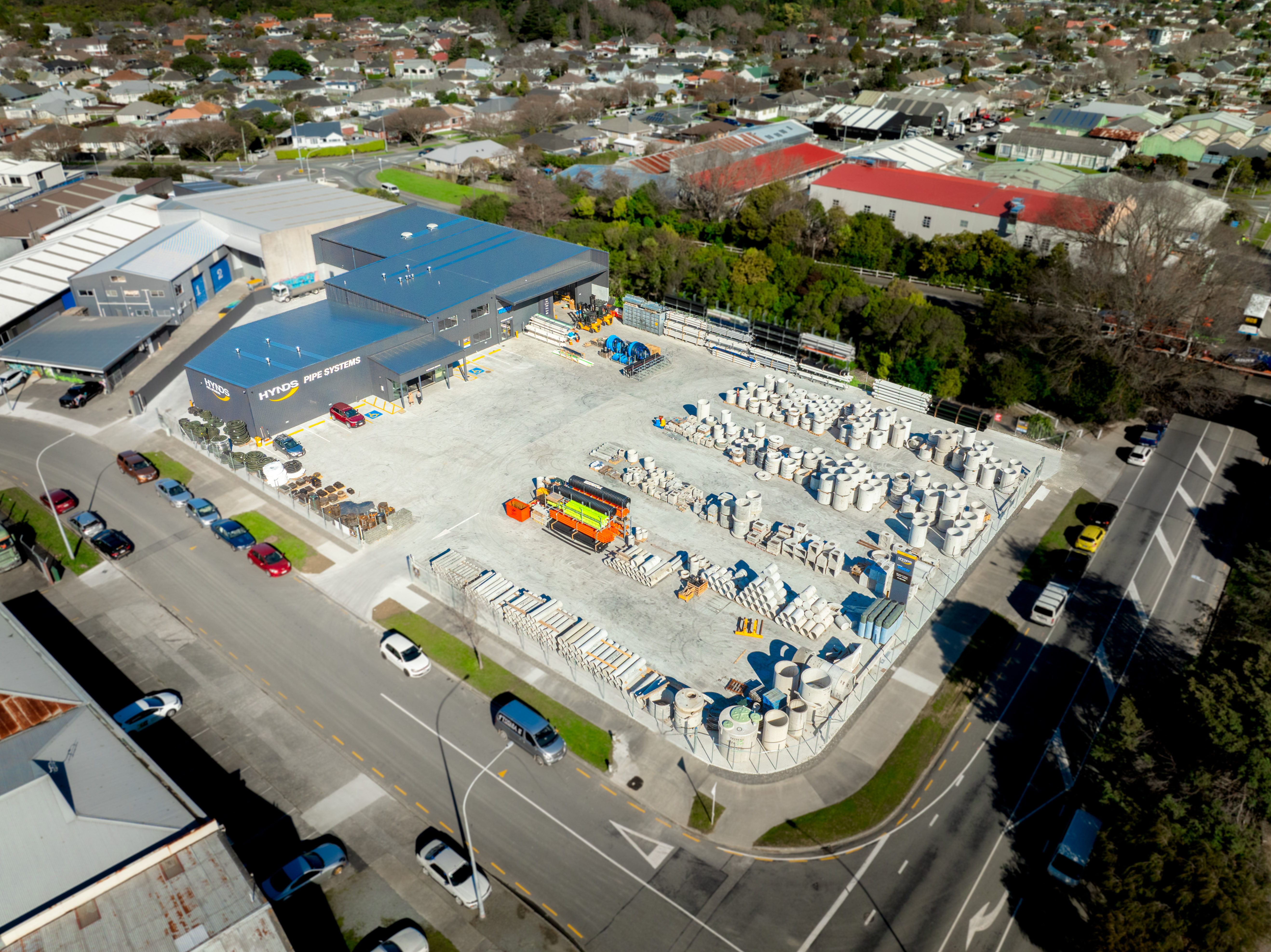
HYNDS PIPE SYSTEMS · LOWER HUTT BRANCH
When New Zealand's largest water and wastewater solutions supplier set out to cut emissions across its facilities, ACSL specified, recommended and installed a Mitsubishi Electric R32 Hybrid VRF and Lossnay fresh-air solution, proving people, planet and profit can pull in the same direction.
Hynds is reducing emissions across every part of its operation, from the direct footprint of its facilities through to energy use and the wider impact of its supply chain. Its building services had to pull in the same direction.
The brief to ACSL was clear: deliver heating, cooling and ventilation that aligned with the Science-Based Targets initiative (SBTi) and Hynds' goal of cutting Scope 1 and 2 emissions 42% by 2032, without compromising safety, comfort or operating cost.
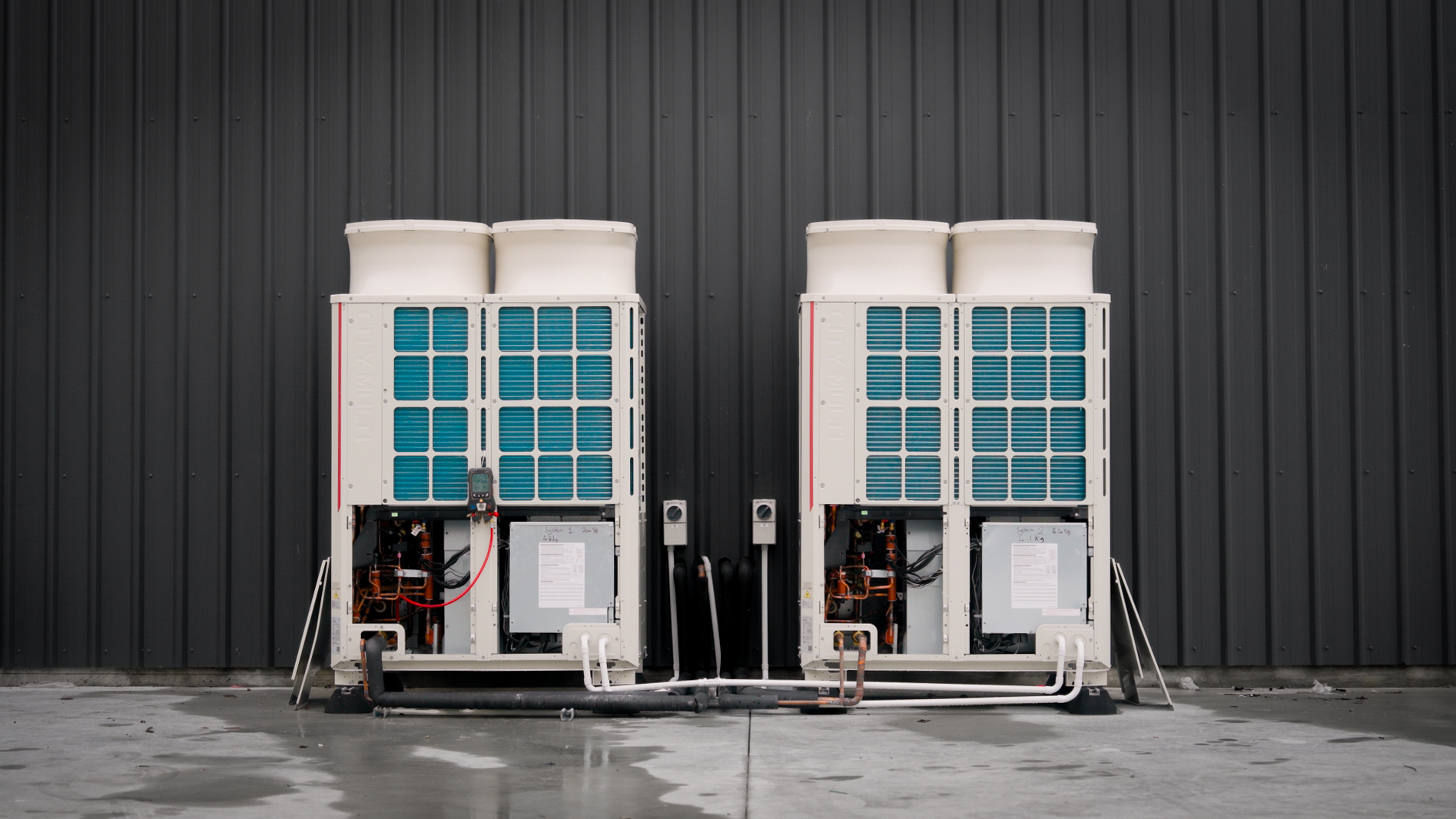
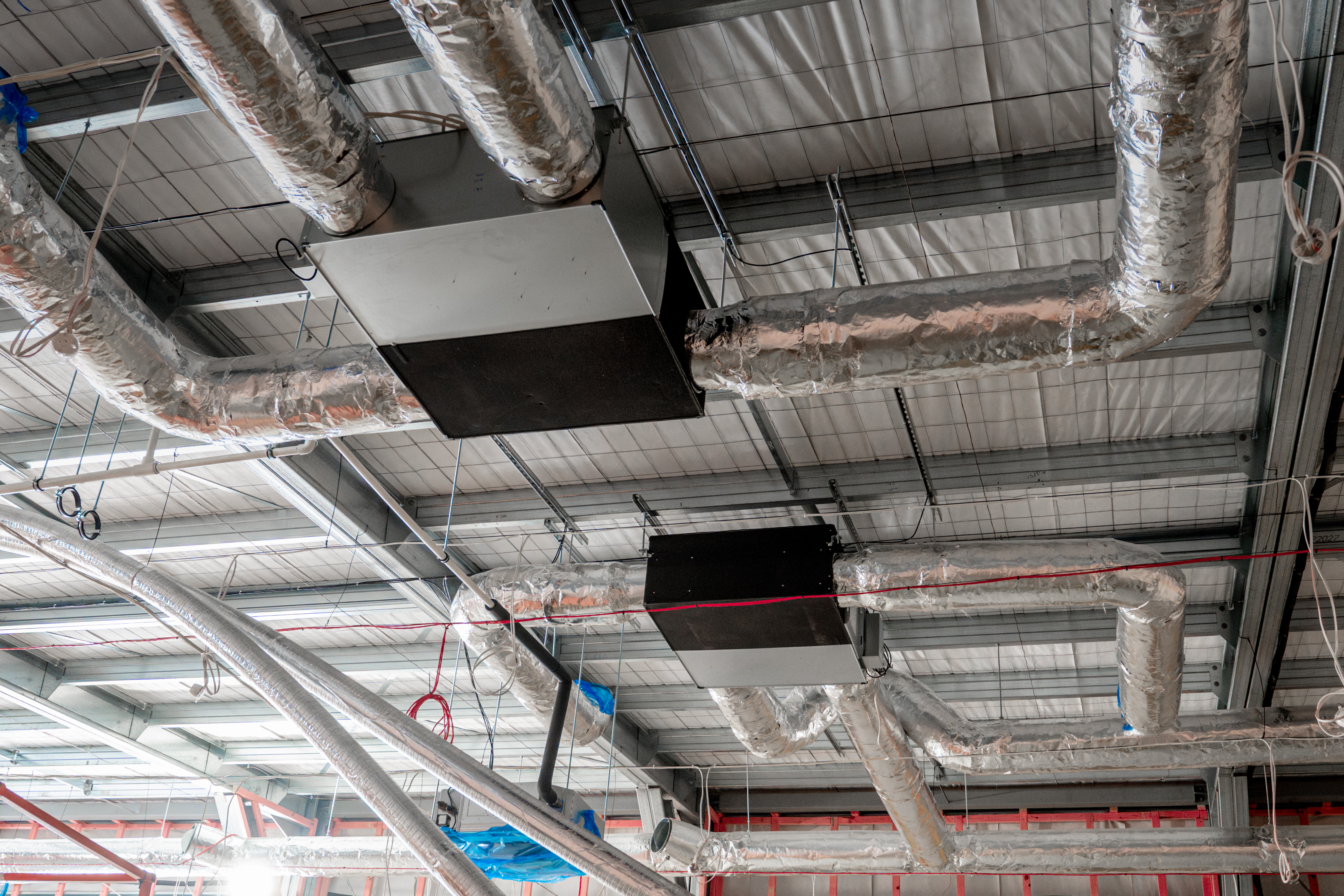
We recommended a Mitsubishi Electric R32 Hybrid VRF system paired with Lossnay fresh-air heat recovery, an approach that uses water as the heat-exchange medium in occupied spaces rather than refrigerant, and engineered it across Hynds' Lower Hutt, Timaru and Auckland sites.
As a responsible PCBU, Hynds put employee wellbeing at the centre of the decision. On our guidance the team selected a system that meets New Zealand safety standards while still delivering superior comfort.
The R32 Hybrid design uses water, not flammable refrigerant, as the heat-exchange medium in occupied spaces. That sharply reduces the risks associated with refrigerant in the building and keeps the install compliant with standards such as AS/NZS 5149.
Using water as the heat-transfer medium gives milder supply-air temperatures and far fewer drafts, a more pleasant environment for the people working under it.
Water-based systems also hold finer control during part-load operation, which is where these systems spend most of their life. The result is more precise, more consistent temperatures day to day.
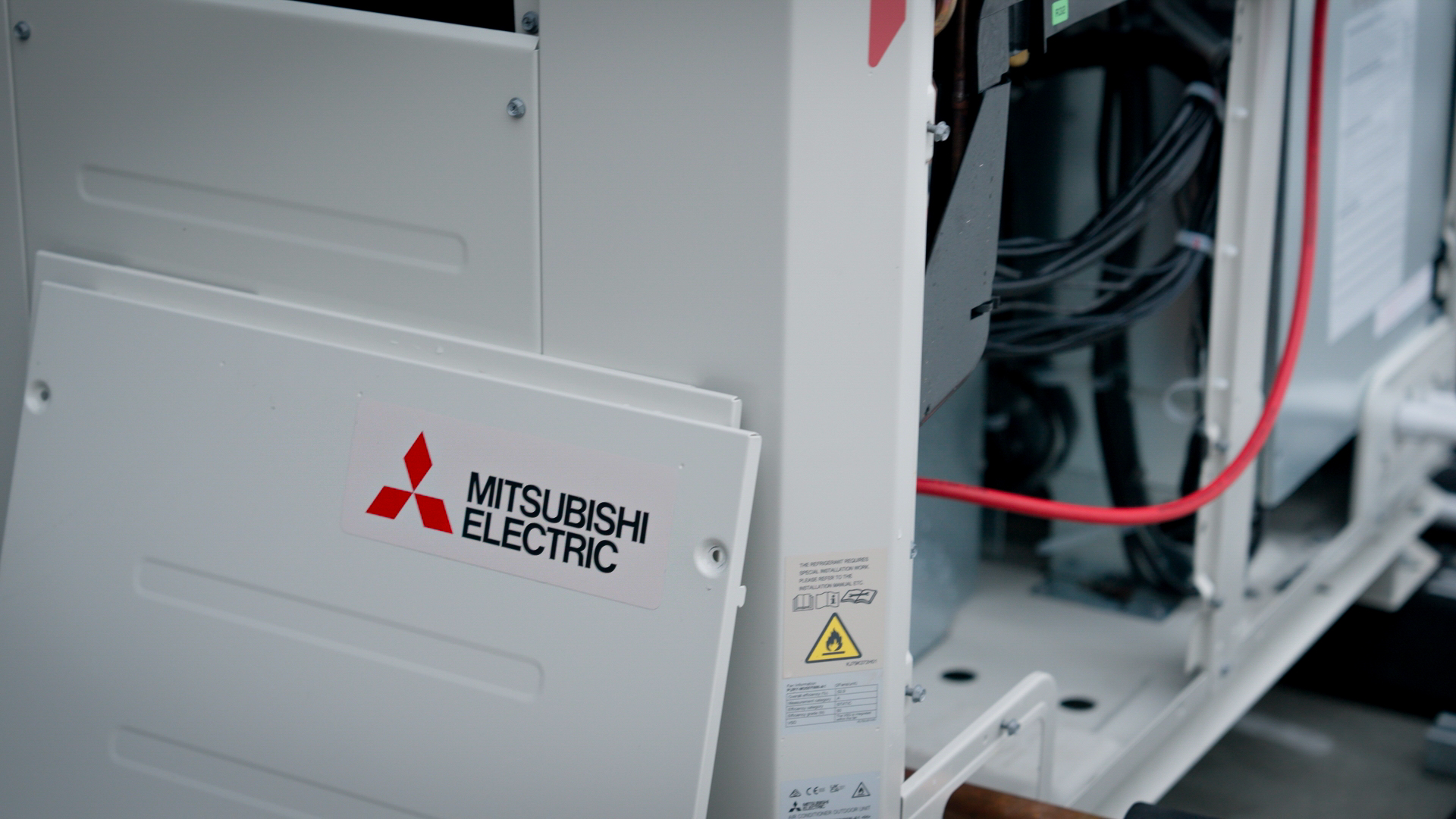
Hynds wanted the smallest possible footprint without inheriting the flammability trade-offs of some newer low-GWP refrigerants. The R32 Hybrid system threaded that needle:
Precise water flow delivers only the heating or cooling actually needed, so energy isn't wasted at part load, the system's normal operating state.
Because the hybrid design keeps refrigerant out of occupied spaces, it also avoids the leak-detection sensors a comparable full-refrigerant VRF would require for compliance.
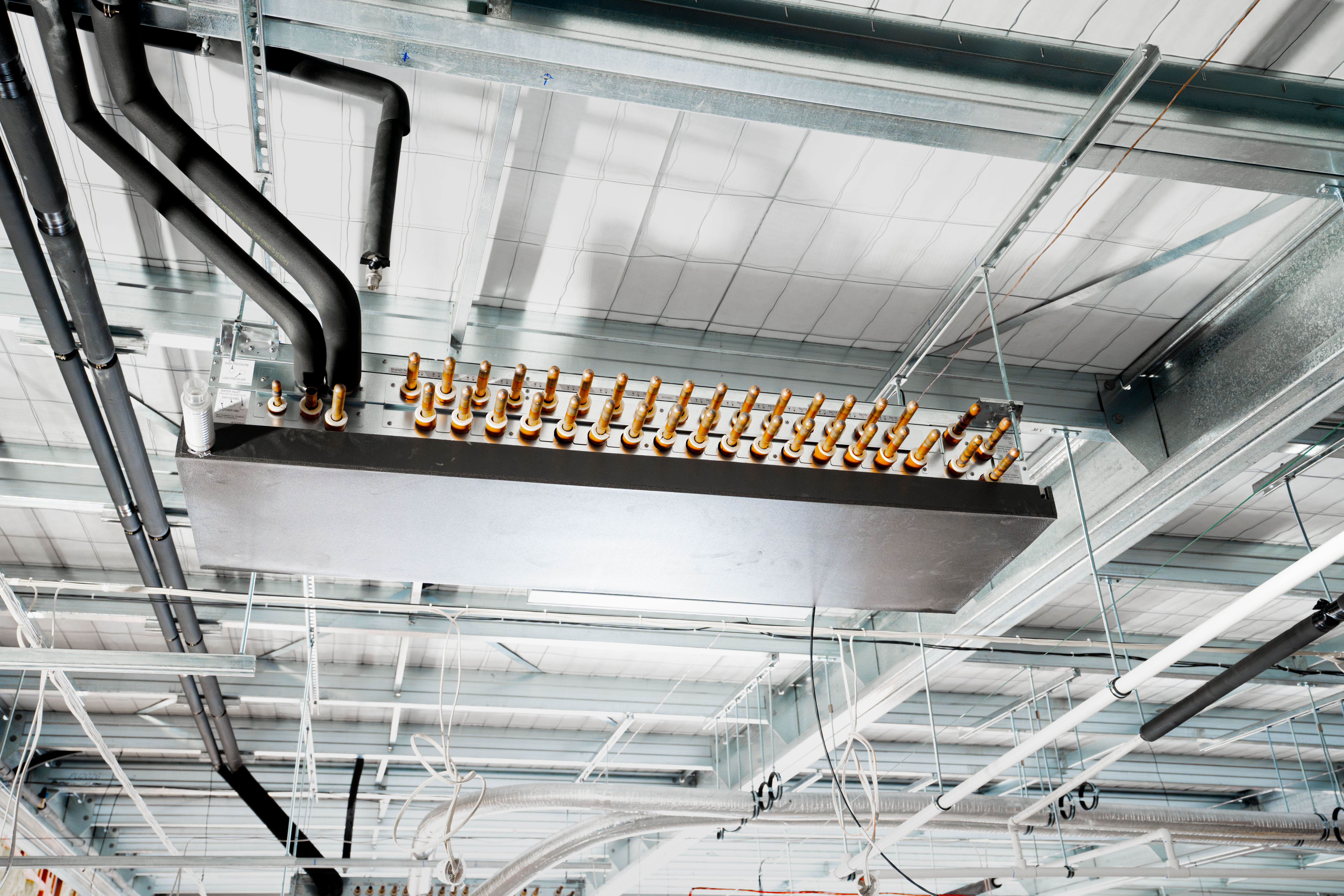
The water-based architecture adapts to evolving refrigerant rules. When standards change, only the limited refrigerant components need attention, the water side, including pipework, stays in place.
That's a sharp contrast to traditional systems, which can require full replacement, pipework included, when refrigerants are phased out. It keeps Hynds' long-term costs down and the plant relevant.
Lossnay fresh-air heat recovery recovers up to 85% of the heat energy from expelled air, pre-warming or pre-cooling incoming fresh air and taking load off the air conditioning. It improves air quality and balances humidity, complying with H1/VM3.
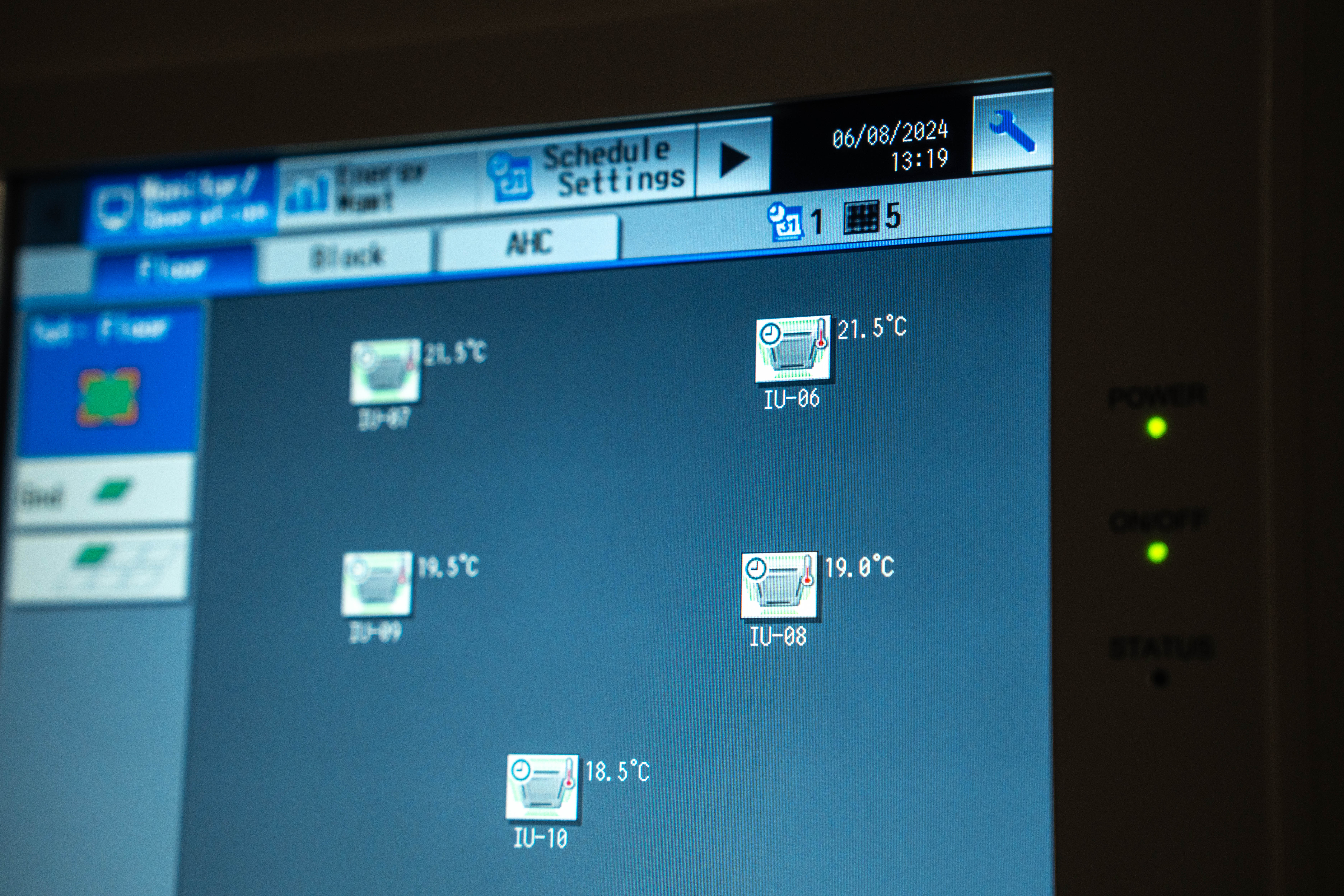
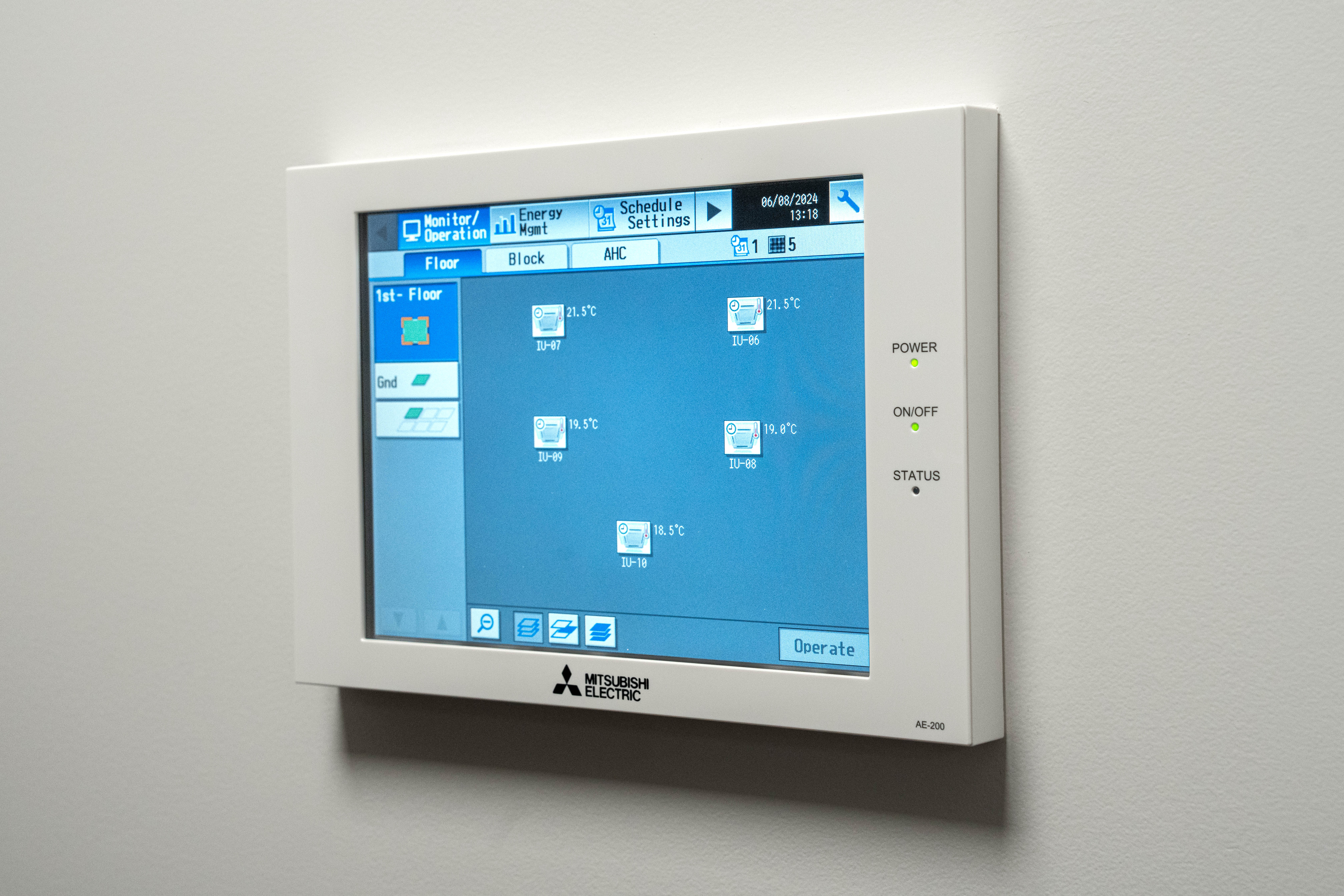
An AE-200E central controller ties it together, scheduling and multi-unit control that keeps the plant running through business hours only, trimming energy use without sacrificing comfort.
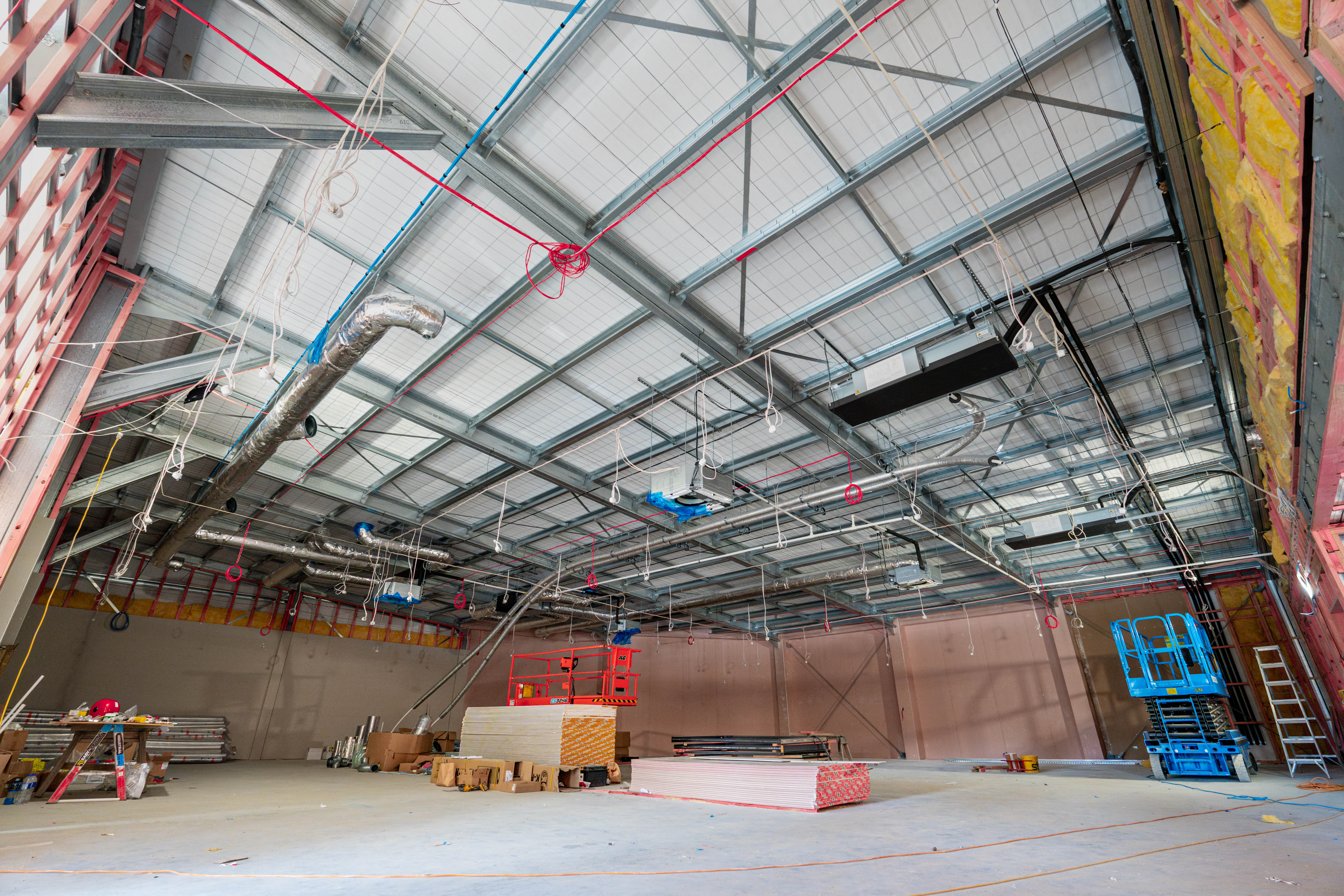
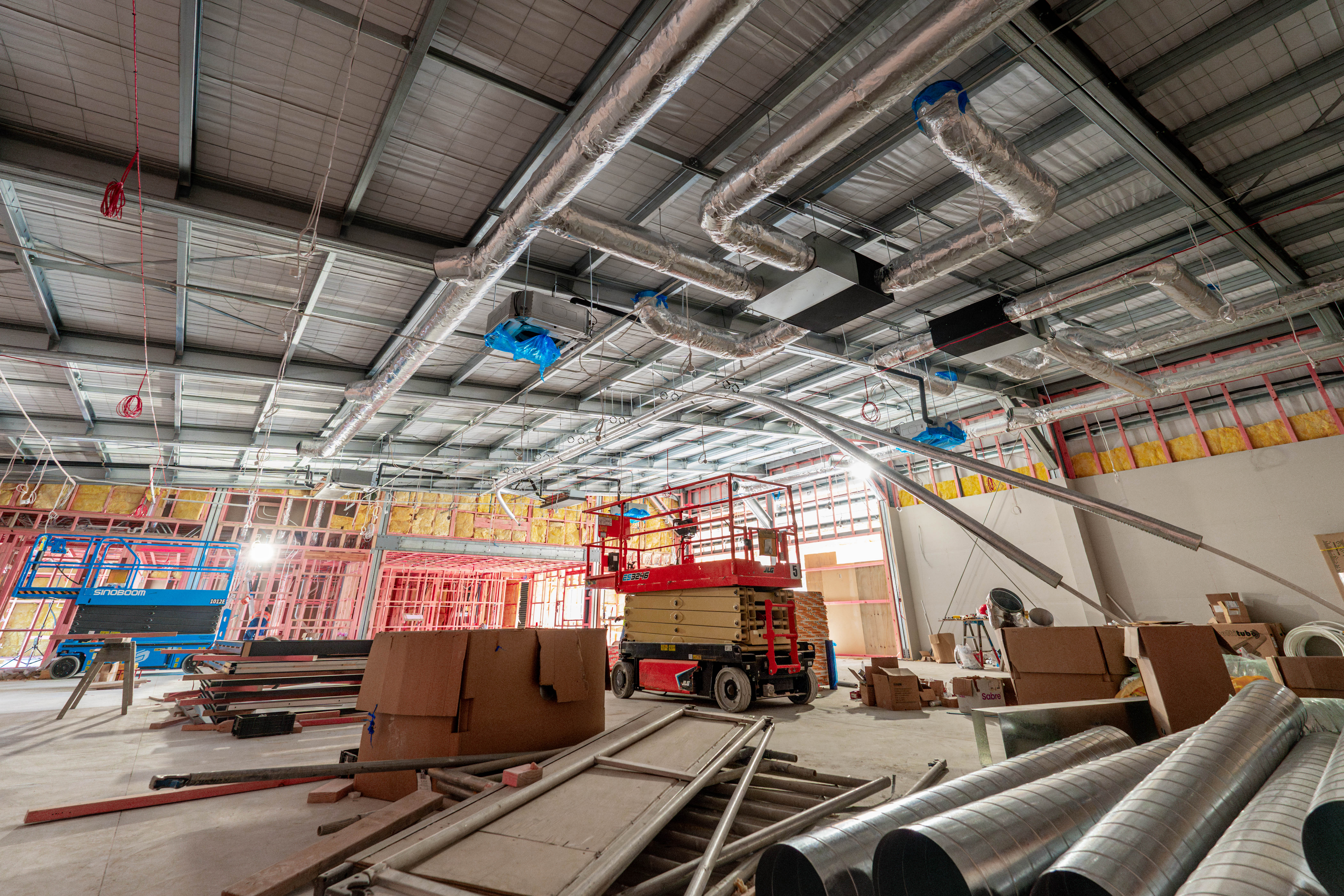
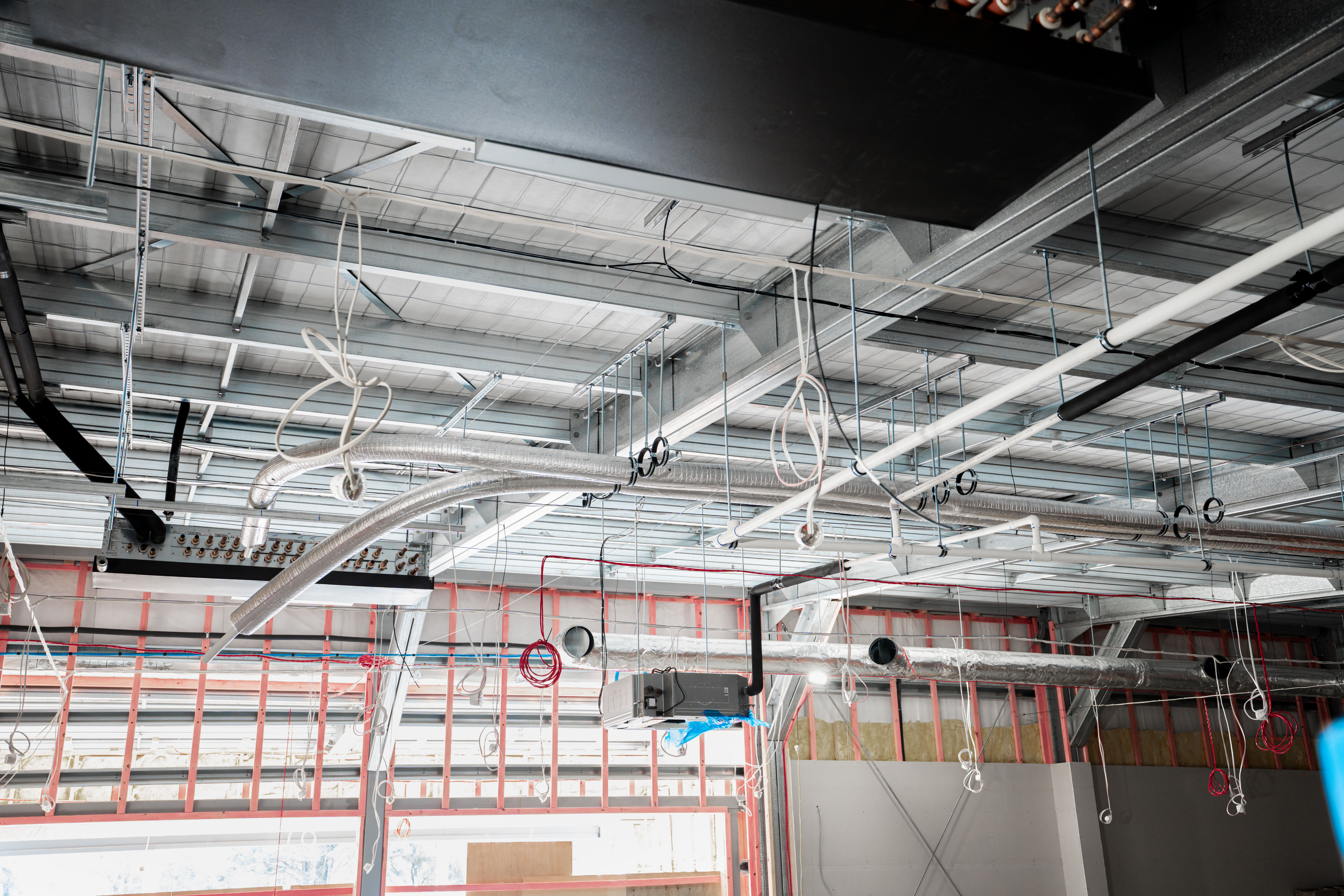
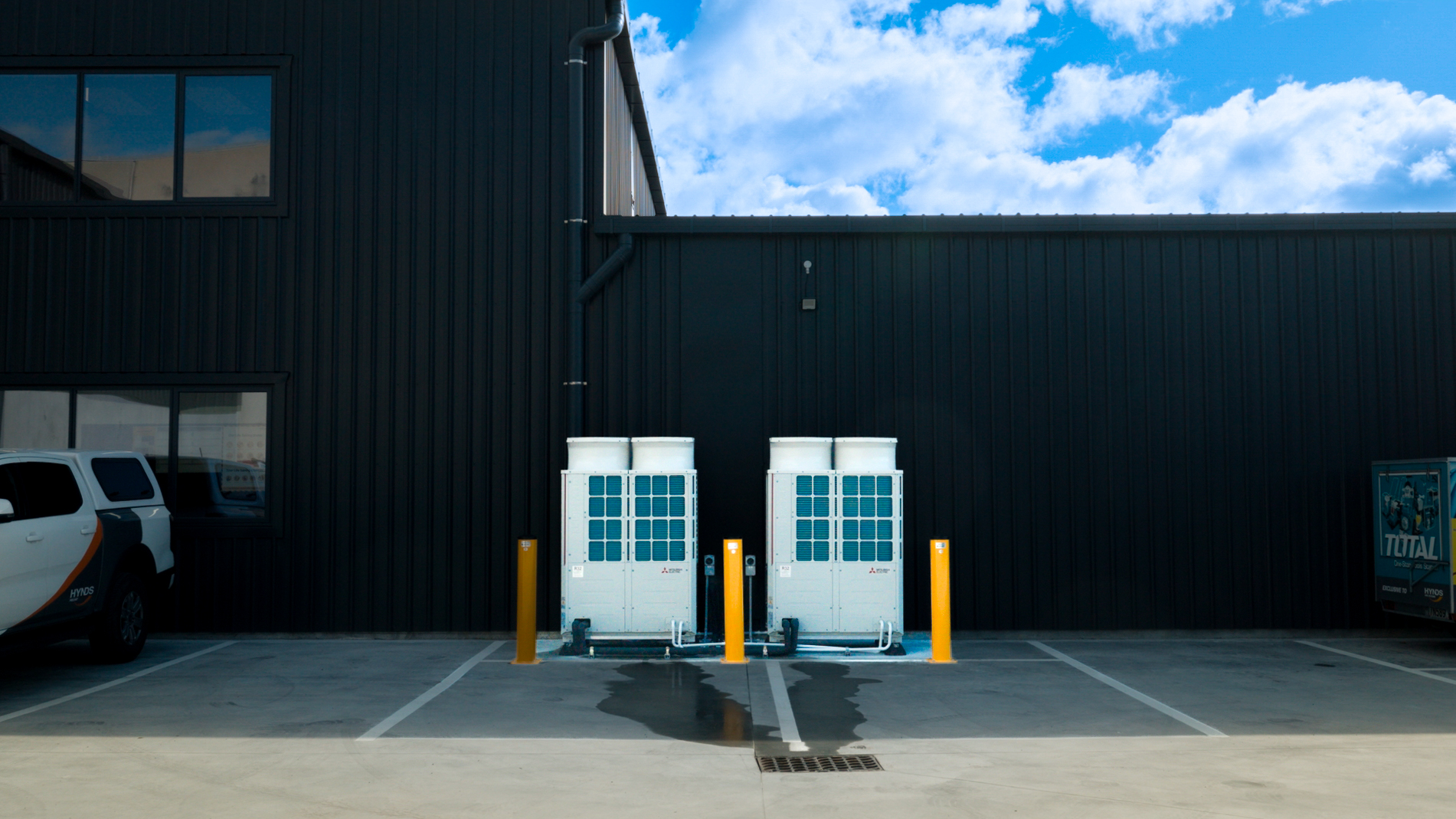
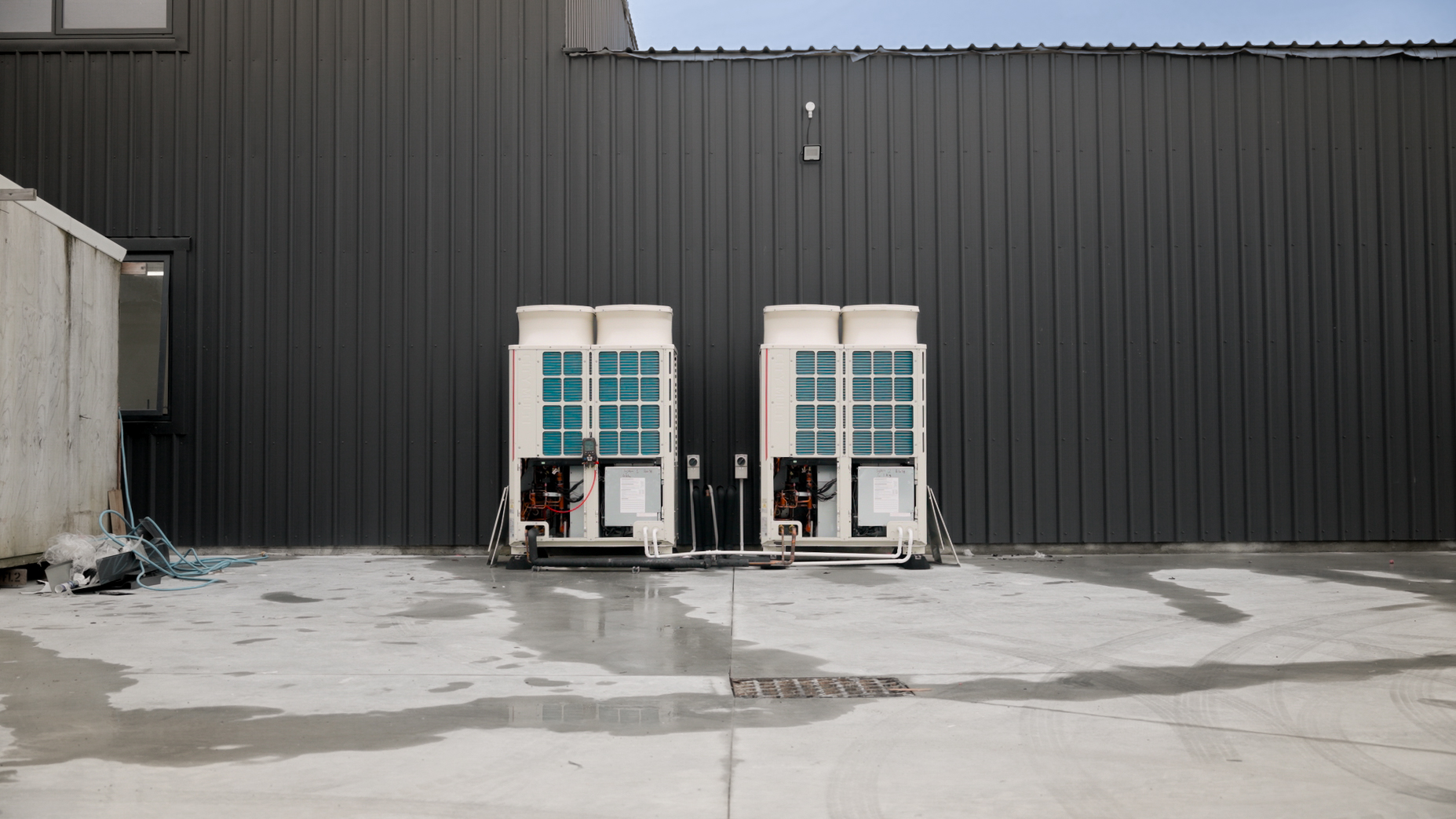
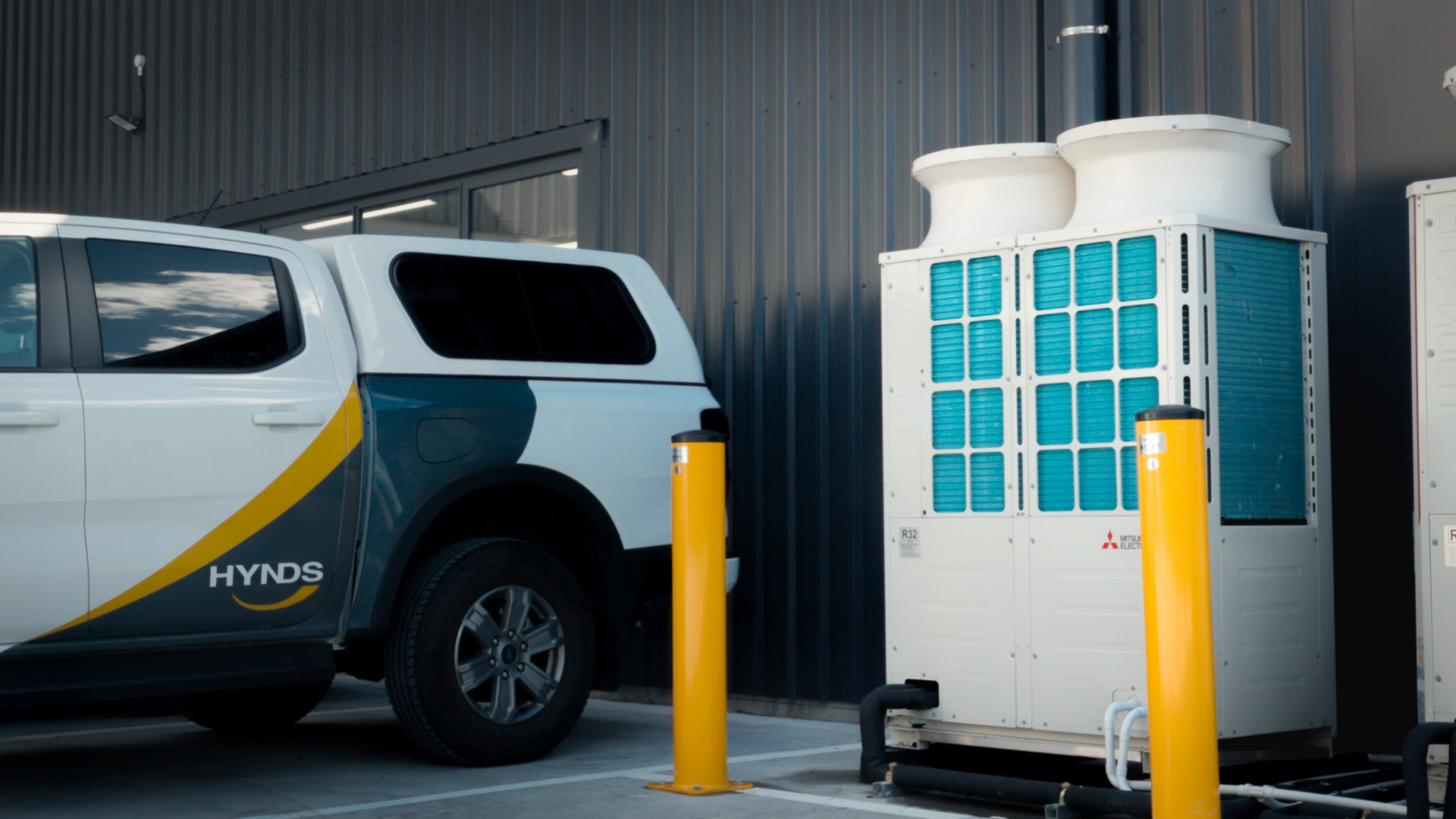
A safe, efficient and genuinely sustainable workspace, stable, quiet and fresh, where people can do their best work.
Water-based heat exchange in occupied spaces, low-GWP refrigerant and around half the charge of a conventional VRF.
Fresh-air energy recovery ventilation reclaiming up to 85% of heat energy, balancing humidity and meeting H1/VM3.
Centralised temperature management, scheduling and multi-unit control, keeping plant to business hours only.
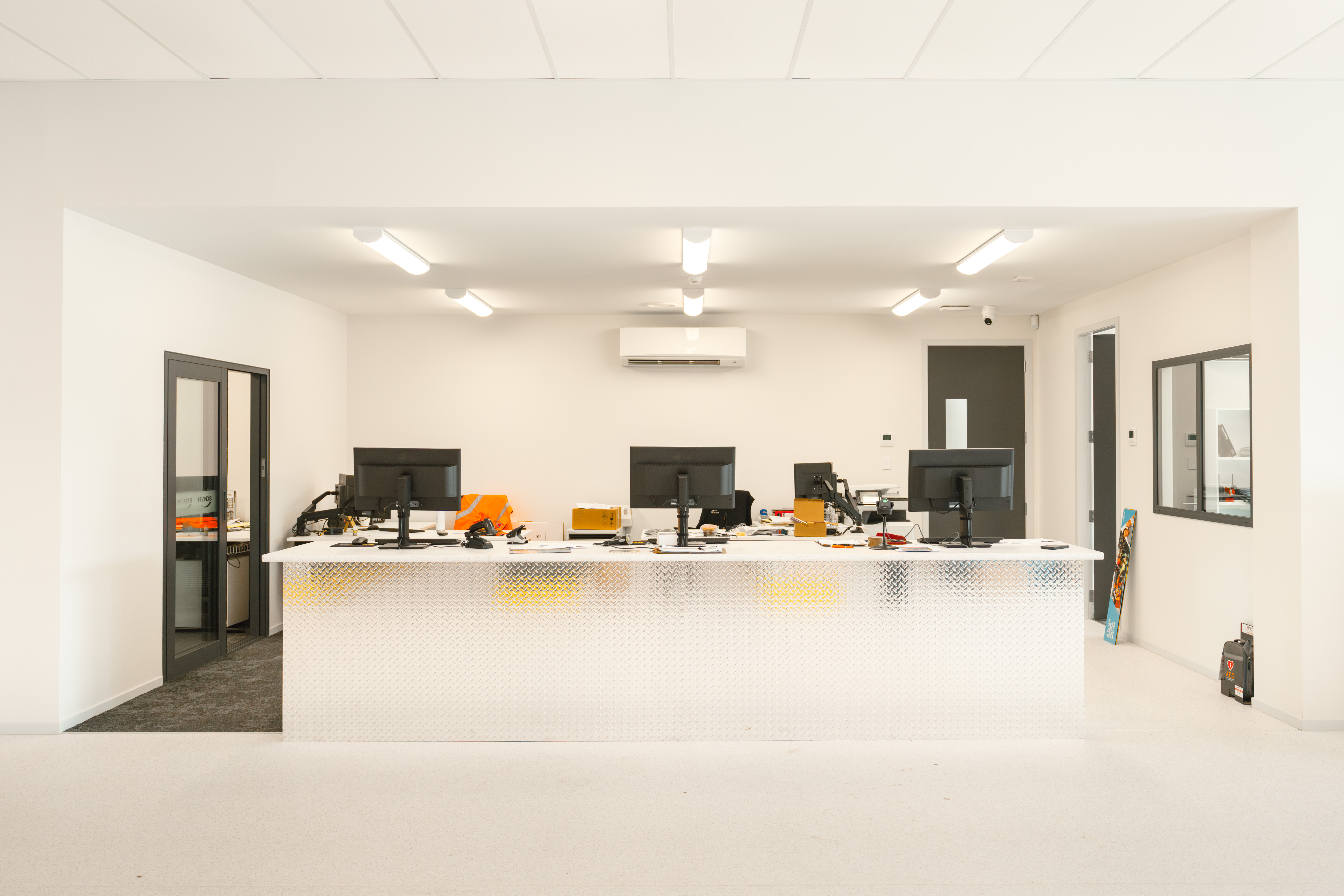
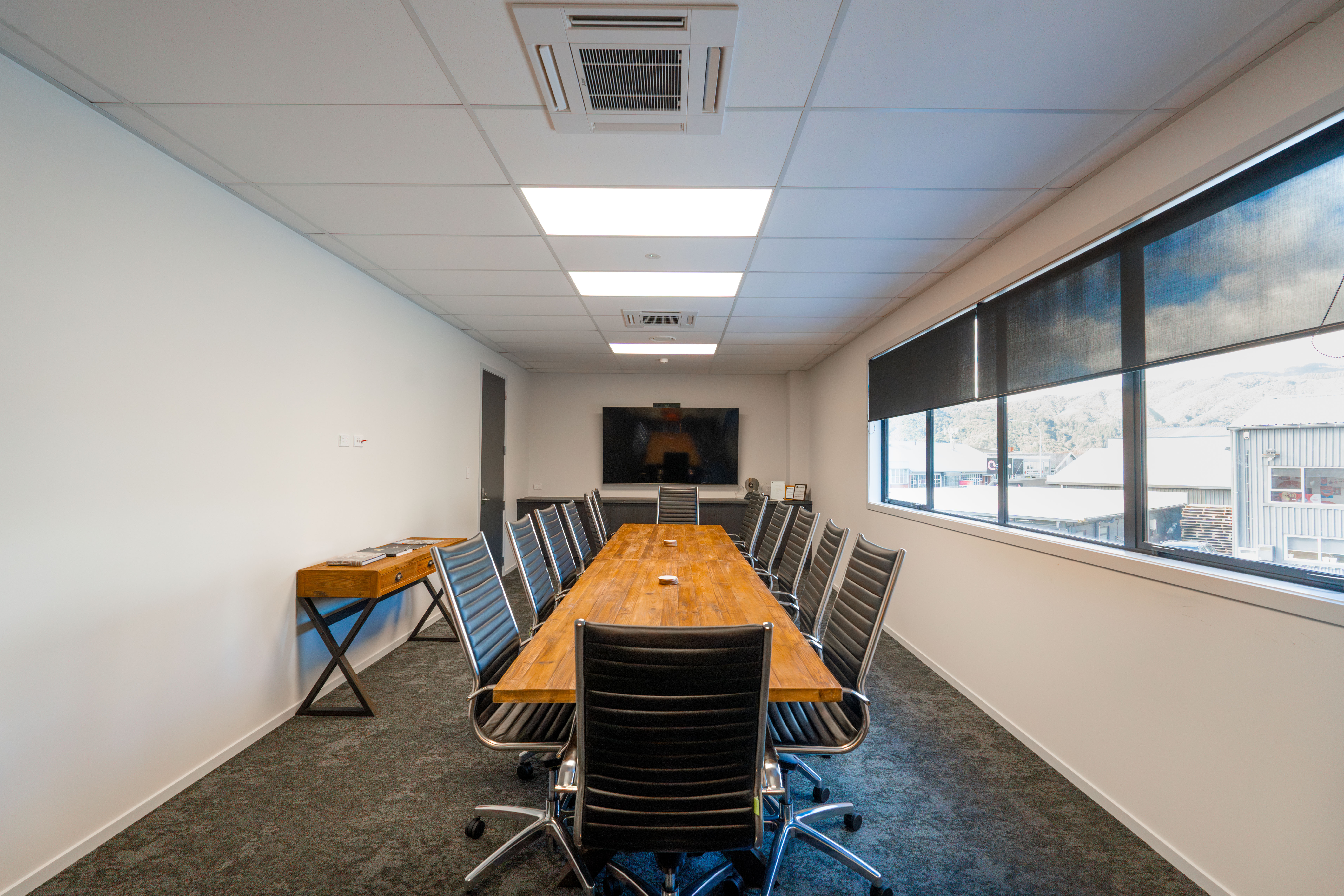
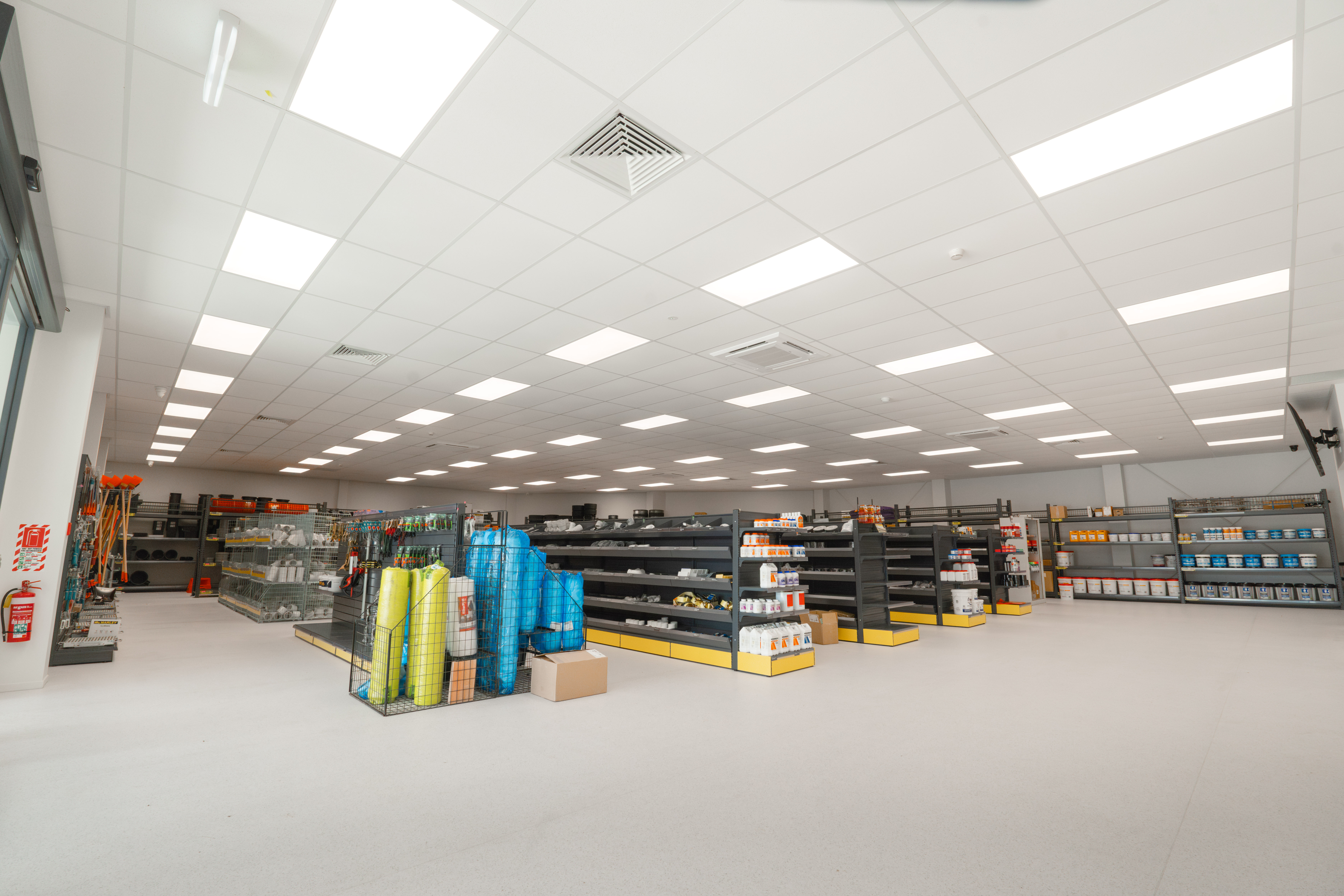
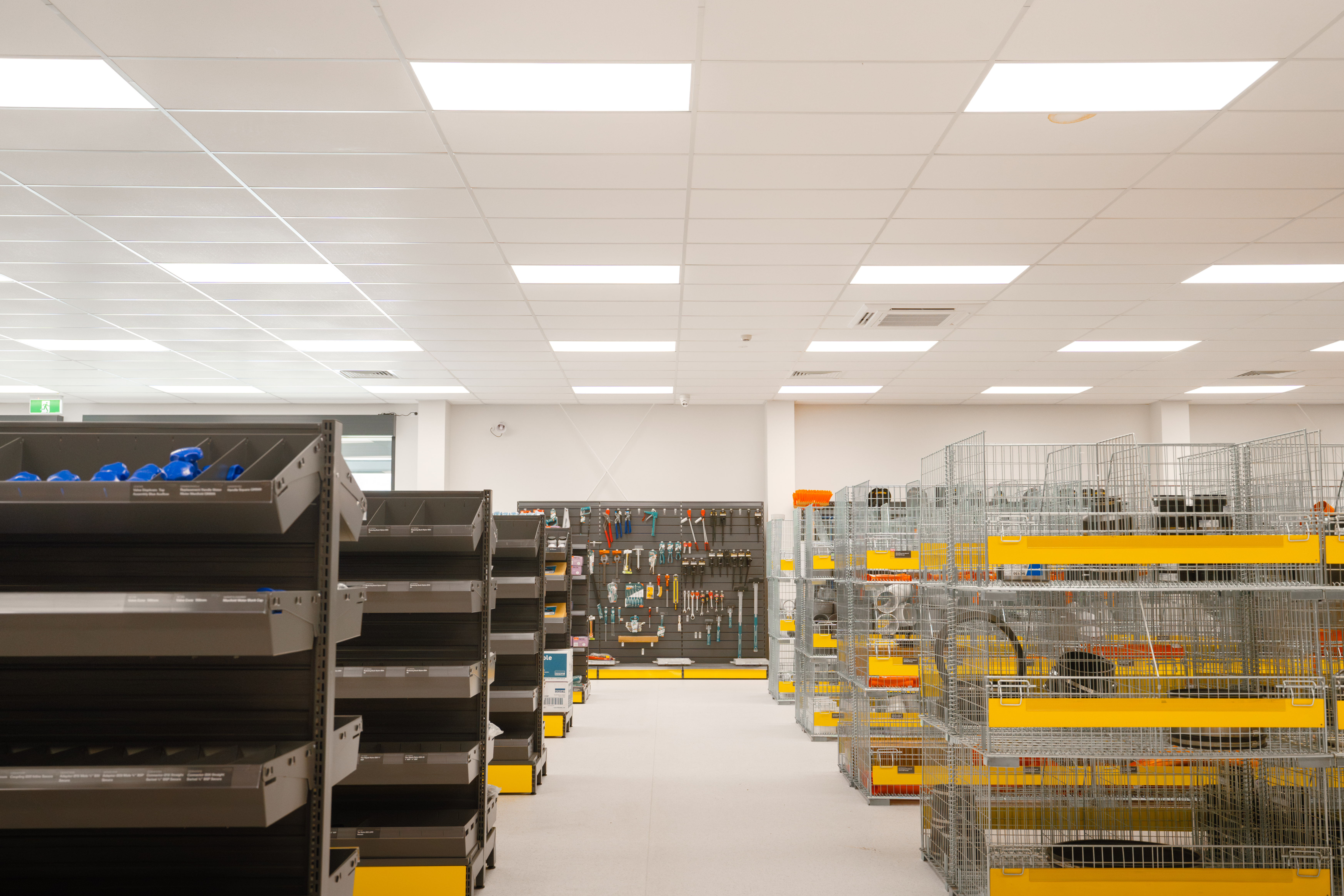
The systems ACSL recommended and installed gave Hynds stable, quiet operation, consistent temperatures and fresh air, and a model the business is now rolling out at its Timaru and Auckland sites.